

Add Row
Add Element
Logo for a showcase news media site, representing quality journalism.
update
Denver Showcase News
update
Add Element
  • Home
  • Business Profiles
  • Featured Local Businesses
  • Categories
    • Home Improvement
    • Arts & Culture
    • Local News
    • Health & Wellness
    • Family Living
    • Professional Advice
    • Technology & Innovation
    • Business
    • Sports
October 13.2025
2 Minutes Read

Elevate Family Meals with the Top Healthiest Pasta Choices

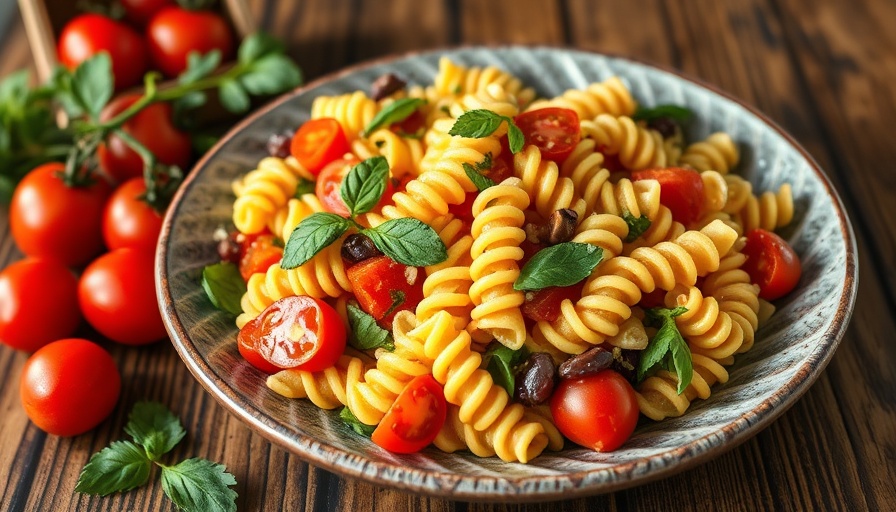
Healthy pasta salad with vegetables, served on a textured plate.

Discover the Best Healthiest Pastas for Your Family

Pasta lovers, rejoice! As healthy eating trends continue to evolve, so too does the array of pasta varieties available. More than just a comfort food, pasta can be a nutritious component of your meals when you choose wisely. For families looking to maintain a balanced diet, here’s a look at some of the healthiest pastas recommended by dietitians.

1. Chickpea Pasta: A Protein Powerhouse

Chickpea pasta has been gaining popularity for good reason. Packed with approximately 13 grams of protein and 7 grams of fiber per serving, it’s a nutritious alternative to traditional pasta. Not only is it gluten-free, making it accessible for those with dietary restrictions, but it also contains an impressive amount of iron, meeting around 30% of your daily needs. This makes chickpea pasta a great option for meal preps where you want to ensure your family is getting enough nutrients!

2. Whole Wheat Pasta: The Classic Choice

Whole wheat pasta, made from the entire grain, is a classic choice known for its fibrous content and health benefits. It features about 9 grams of protein and 4 grams of fiber per serving. The fiber in whole wheat pasta helps keep you full longer and contributes to better digestion. Plus, it's more nutritionally dense than the white varieties, making it an excellent staple for family dinners!

3. Lentil Pasta: A Hearty Option

Lentil pasta is another healthy contender that is packed with nutrients. With around 12 grams of protein and 11 grams of fiber, it’s a great option for vegetarians and vegans seeking hearty meals. Higher in iron than traditional pasta, lentil pasta also helps in boosting energy levels while adding a unique flavor to dishes. Mixing it with seasonal vegetables can create a beautiful and nourishing family meal.

4. Black Bean Pasta: Nutrient-Dense and Tasty

For those looking to add variety, black bean pasta offers about 22 grams of protein and 11 grams of fiber per serving, making it one of the highest protein options available. This gluten-free pasta is made simply from ground black soybeans. Its earthy flavor pairs beautifully with a range of sauces, ensuring that even the pickiest eaters will find it enjoyable.

5. Quinoa Pasta: High in Essential Nutrients

Quinoa pasta is another great choice for those who prefer gluten-free options. Though it has a slightly lower protein content compared to others at about 6 grams per serving, it’s still a wholesome alternative that contributes some fiber and essential vitamins to your diet. It's versatile enough for use in salads and hot dishes alike, ideal for quick weeknight meals.

As diets evolve, the types of pasta available can greatly enhance your family's meals while offering essential nutrients. Whether you’re making a cozy pasta night or looking to redefine your meals, these healthier pasta options can easily fit into your lifestyle. Consider trying them out in your next family dinner and watch as everyone enjoys the meaningful change!

Health & Wellness

1 Views

0 Comments

Write A Comment

*
*
Related Posts All Posts
02.08.2026

Quiz Time: Discover How Many Cancers Are Linked to Modifiable Risk Factors!

Update The Connection Between Modifyable Risk Factors and Cancer Cancers are a prominent health concern worldwide, with alarming statistics highlighting the prevalence of preventable types. Recent studies emphasize that many cancers are tied to modifiable risk factors such as smoking, poor diet, and a sedentary lifestyle. Understanding these factors and how they can be controlled is crucial for everyone aiming for a healthier life. The Impact of Modifiable Factors Research indicates that behavioral changes can substantially influence cancer outcomes. For example, smoking accounts for about 30% of all cancer cases in developed countries. Simple lifestyle adjustments—like quitting smoking, maintaining a healthy weight, and following a balanced diet rich in fruits and vegetables—could potentially prevent more than 50% of cancers. Making Informed Lifestyle Choices Making informed lifestyle choices is easier when you understand the risks associated with certain behaviors. The American Cancer Society has commended efforts to raise awareness by highlighting statistics that show how significant lifestyle factors impact cancer development. For instance, engaging in just 45 minutes of physical activity daily can help mitigate cancer risk. Community Support for Healthier Choices Your community plays an essential role in promoting healthier choices. By supporting initiatives that focus on reducing smoking and encouraging physical activity and healthy eating, everyone can contribute to a significant decline in cancer rates. Embracing a Healthier Lifestyle for a Brighter Future The journey towards a healthier lifestyle doesn't have to be an overwhelming one. Empowering yourself with knowledge and taking small steps can lead to meaningful changes. Start today by evaluating your daily habits, making modifications, and sharing with friends and family to create a ripple effect toward better health in your community.

02.07.2026

Chai vs. Coffee: Which Is the Ultimate Energy Booster for Families?

Update Chai vs. Coffee: The Ultimate Energy ShowdownFor many families, kickstarting the day without a warm cup of something stimulating feels impossible. As parents juggle the whirlwind of morning routines, chai and coffee stand out as popular choices for a quick boost. But which one is genuinely better for energy and caffeine levels? Let’s dive into this caffeinated debate!What's in Your Cup?Both chai and coffee are rich in caffeine, but they deliver it differently. Coffee packs quite a punch, with an average of 95mg of caffeine per cup, helping boost focus and alertness almost instantly. On the other hand, chai, made from black tea, spices, and milk, contains about 50mg of caffeine. This gradual release can provide a smoother energy boost, making it less jittery than coffee.Flavor Profiles: A Taste that MattersFor parents looking to please young palates, chai often wins for its warm, spiced flavor, beautifully blending cardamom, cinnamon, and ginger. These ingredients not only create a comforting drink but also offer potential health benefits, enhancing digestion and providing anti-inflammatory properties. Conversely, coffee offers an entirely different experience—bold and robust, perfect for those who love a strong start to their day.Health Benefits: More than Just EnergyBoth drinks have health benefits, but chai may edge out coffee when it comes to holistic nourishment. The antioxidants in black tea can support overall wellness, while the spices in chai may help with metabolism and immunity. In contrast, coffee is praised for its high levels of antioxidants as well but can lead to dehydration if consumed in excessive amounts.Making the Right Choice for Your FamilyUltimately, the choice between chai and coffee comes down to personal preference and health considerations. Parents may find that alternating between the two can balance energy levels and enjoy the unique benefits of each. Plus, making chai together can be a fun family activity that introduces kids to healthy beverage choices. So next time you’re deciding on your morning pick-me-up, consider which cup will suit your family's needs best!Embrace the joy of exploring these beverages with your family. Take turns brewing your favorites, and see what flavors and benefits resonate with everyone. The journey to discover your ideal energizing drink is just beginning!

02.07.2026

Steady-State Cardio vs HIIT: What Works Best for Busy Families?

Update Understanding Steady-State Cardio and HIITWhen it comes to exercise, two popular methods reign supreme: Steady-State Cardio and High-Intensity Interval Training (HIIT). Both types of workouts can aid in fat loss and improve overall fitness, but how do they differ? Let's break it down into relatable terms for busy families looking to enhance their well-being.The Basics of Each WorkoutSteady-state cardio involves engaging in an activity like jogging or cycling at a moderate, consistent pace. This means your heart rate stays around the same level for an extended period, making it a sustainable choice for many. Conversely, HIIT alternates between intense bursts of exercise and recovery periods. This structure can lead to significant fitness gains in a shorter amount of time, making it appealing for those with busy schedules.Which is Better for Fat Loss?Many people, especially parents and homeowners, may wonder which method is more effective for burning fat. According to recent studies, steady-state cardio may facilitate consistent fat loss due to its manageable intensity, allowing individuals to exercise more frequently. For instance, someone beginning their fitness journey might prefer walking or jogging as these workouts can be done daily without excessive fatigue.HIIT: A Time-Saver for Busy LivesOn the flip side, HIIT can burn more calories in less time, suitable for busy families striving to fit fitness into their packed schedules. Because these workouts are shorter in duration, they provide efficient results and can lead to improvements in both cardiovascular fitness and muscle strength when structured properly. However, it's vital for those new to exercise or living with certain health conditions to approach HIIT with caution, as it carries a higher risk of injury if not performed correctly.Finding the Right Fit for YouUltimately, the decision between steady-state cardio and HIIT boils down to personal preferences and health conditions. Parents and busy homeowners might find steady-state routines more sustainable, while those craving variety and efficiency in exercise may lean towards HIIT. The key is to find a balance that keeps you and your family engaged in physical activity without overwhelming your schedules.Take the Next Step in Your Fitness JourneyWith both methods presenting unique benefits, try incorporating a blend of steady-state cardio and HIIT into your routine. Consider speaking with a fitness professional to ensure a tailored approach that resonates with your family’s lifestyle.

Terms of Service

Privacy Policy

Core Modal Title

Sorry, no results found

You Might Find These Articles Interesting

T
Please Check Your Email
We Will Be Following Up Shortly
*
*
*