

Add Row
Add Element
Logo for a showcase news media site, representing quality journalism.
update
Denver Showcase News
update
Add Element
  • Home
  • Business Profiles
  • Featured Local Businesses
  • Categories
    • Home Improvement
    • Arts & Culture
    • Local News
    • Health & Wellness
    • Family Living
    • Professional Advice
    • Technology & Innovation
    • Business
    • Sports
October 14.2025
2 Minutes Read

Revealing the Truth About Attorney Jason Legg’s Ethical Misconduct

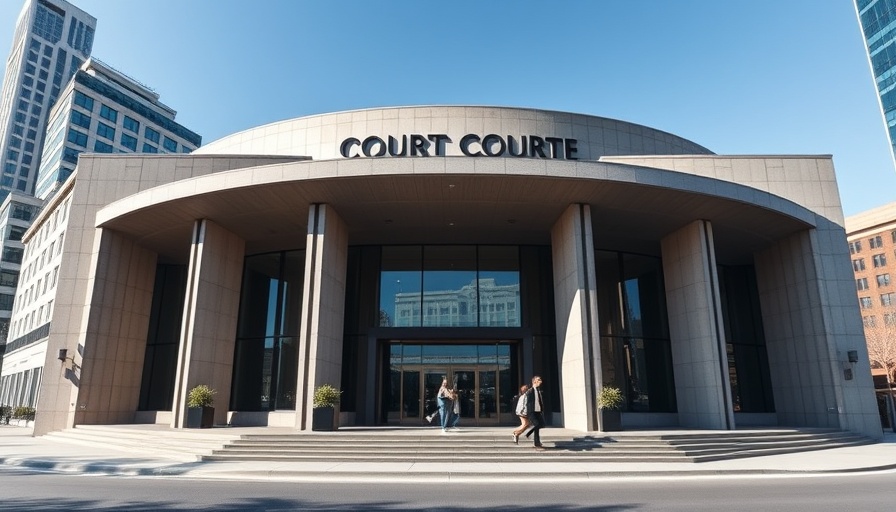
Denver courthouse with people, representing Denver business news.

The Fall from Grace of a Prominent Denver Lawyer

The legal community in Denver is reeling after the suspension of attorney Jason Legg, known for his advocacy in tenant rights and successful lawsuits against landlords. Legg was suspended for 60 days for deceiving a former client, Michael Crawford, about a lawsuit he mystifyingly failed to file against Pleasant View Mobile Home Park, an incident that raises questions about integrity in the legal profession.

Missteps and Consequences

Legg's story is not just about a lawyer's failure to follow through on commitments, but it also highlights the ethical obligations attorneys have toward their clients. Despite initially assuring Crawford in a text, "Suing them is underway," he failed to file the lawsuit until two years later, leaving Crawford frustrated and confused. This disparity between Legg's promises and actions is what ultimately led Crawford to the Office of Attorney Regulation in October 2023, culminating in Legg's suspension and a requirement to attend ethics school.

Legal Foundations for Accountability

Similar cases like that of Peter Lederer Mattisson, also recently suspended for domestic violence, underscore the ongoing issues of ethical accountability within the legal profession in Colorado. Both scenarios strain the public's trust in attorneys, though they arise from different types of misconduct. This comparison calls into question how consistently ethical standards are upheld and what it means for clients seeking reliable legal counsel.

Restoration and Rehabilitation: A Path Forward

Despite the grim implications of his actions, the Colorado Office of Attorney Regulation documented Legg’s attempts to rectify his wrongdoings by compensating Crawford. He paid over $79,000 in damages, a decision reflecting both remorse and a commitment to restore some level of justice. Legg's willingness to accept responsibility could inform a broader discussion about the processes of restoration and rehabilitation for lawyers—how failure is managed, and how reputations can be rebuilt following significant ethical breaches.

What This Means for Denver's Residents

For parents, singles, and homeowners in Denver, these incidents illuminate the need for vigilance in selecting an attorney. Knowing a lawyer's credibility and past actions can make a difference in navigating complex legal issues, particularly in matters relating to housing and tenant rights. This situation acts as a reminder for citizens to question not just the legal advice they receive but also the intentions and character of those providing it.

A Call to Action: Stay Informed

As the legal landscape shifts, it becomes increasingly essential for community members to remain informed about their rights and the ethical standards owed to them by legal professionals. Engaging in local legal workshops or discussions can empower residents, especially those navigating tenant issues, to make informed decisions moving forward.

Business

30 Views

0 Comments

Write A Comment

*
*
Please complete the captcha to submit your comment.
Related Posts All Posts
04.06.2026

Park Hill's Historic Hotel Transformation into Affordable Apartments in Denver

Update Revitalizing Park Hill: A New Vision for Urban Living The recent sale of the Park Hill Holiday Inn on Quebec Street for $9 million marks a pivotal moment in the Denver real estate landscape. This historic 11-story, 310-key hotel is set to undergo a major transformation, evolving from a transient lodging space into a vibrant community of apartments. The goal? To offer residents access to luxurious amenities at affordable rates, striking a balance amidst a challenging housing market. Historic Hotel Becomes Future-Ready Apartments Alex Cartwright, a former economics professor and the mastermind behind the conversion, plans to reshape this 50-year-old landmark into around 240 apartments. These units, starting at $1,100 for studios, will retain features such as balconies and full kitchens. Cartwright emphasizes that while the residents will enjoy A-plus-style amenities, they won’t be burdened by A-plus prices. This approach is especially significant in light of the softening Denver apartment market, where vacancy rates are the highest they’ve been since 2010. By focusing on affordable units, Cartwright is taking what he calls a “contrarian position” in a market that appears saturated. Planning for the Future: What’s Next? HotelShift, based in Dallas, is teaming up with Voyage Capital for this project, which is the company's third hotel conversion since its founding in 2024. The firm is also managing two ongoing projects in Houston, Texas. Cartwright hints at ambitious future plans, including involvement in up to 1,000 new units from Michigan to Georgia and Nevada, which underscores a growing trend of repurposing underperforming hotels into residential spaces. Despite the challenges of accurately forecasting construction costs, Cartwright is optimistic. His project manager, Alex Raschke, highlights the extensive due diligence already conducted, demonstrating a commitment to providing quality housing while maintaining reasonable costs for investors. This proactive planning is crucial to keeping the basis low enough to offer market-competitive rental rates. Community Sentiment: Will This Benefit Denver Residents? As this project moves forward, many Denver residents—especially parents, singles, and homeowners—wonder how this significant change will impact their community. With amenities such as a gym, swimming pool, and potential new restaurant space being retained, the development promises to contribute not just housing but a sense of community. The conversion could also reinvigorate the surrounding area, attracting more businesses and increasing foot traffic. Cartwright's firm aims to establish an urban living experience that blends convenience with affordability. For parents seeking educational resources, shops, and recreational opportunities, and for singles looking for dynamic living arrangements, these apartments could present an attractive alternative to traditional housing. What This Means for Denver’s Housing Market The move to convert a long-standing hotel into apartments reflects larger trends within the Denver housing market. As more developers embrace such transformations, the potential for increased accessibility to affordable housing in urban centers becomes more tangible. This could lead to a more diverse and vibrant city, capable of catering to various demographics. Given current economic conditions, the push for affordable housing is more crucial than ever. The Park Hill Holiday Inn conversion sets a precedent, demonstrating that with thoughtful vision and strategic planning, positive change is possible in even precarious real estate environments. As this project progresses, those intrigued by affordable urban living, and the broader implications for Denver’s housing market, should stay engaged. Changes like this one reflect a growing recognition of the need for accessible housing as the city continues to evolve, ensuring that apartments are not just places to live, but communities to thrive. With a contrarian approach amid market uncertainties, Cartwright and his team are rising to the challenge by creating living spaces that serve the needs of today’s diverse populations. Their commitment to this project has the potential to reshape Park Hill—and possibly inspire other cities facing similar housing challenges.

04.06.2026

Why a Construction Firm Owner Is Suing Her Bank After Fraud Losses

Update What Happens When Trust is Betrayed?On March 10, 2025, a seemingly routine business call turned into a nightmare for Lori Schroeder, the owner of 579 Construction. The call, supposedly from a fraud department representative of Timberline Bank, was a cleverly disguised ruse. Following this troubling interaction, Schroeder found herself locked out of her business accounts, with nearly $300,000 funneled away by an imposter. As she walked into the bank the next day, real panic set in. A bank employee revealed that the caller was not affiliated with Timberline, but by then, the damage was already done.The Impact of Cyber Fraud on Small BusinessesThis case is a stark reminder of the growing threats faced by small business owners. For Schroeder, the financial toll has been staggering. After losing a significant portion of her company’s funds, she was forced to take on high-interest loans to keep her construction projects and payroll in motion. Her story raises significant questions about the responsibilities banks hold in protecting customers amidst sophisticated fraud schemes. Timberline Bank has declined liability, insisting that it acted appropriately, yet the outcome for Schroeder has ignited discussions around modern banking security.Why Banks Need to Step UpAs the digital landscape evolves, so too do the tactics of fraudsters. Experts like Stan Garnett, one of Schroeder's attorneys, emphasize that businesses must place their trust in banks to safeguard their accounts effectively. The Public’s expectations are clear: when a bank claims to protect customer funds, it must demonstrate its reliability and responsiveness when fraud occurs.The Legal Landscape for Victims of FraudSchroeder’s lawsuit against Timberline Bank isn’t just about recovering lost funds; it symbolizes a battle for justice in a world where cyber fraud is rampant. Legal actions like these generate awareness and influence systemic changes that could lead to better protective measures for consumer banking. Such cases also highlight the crucial need for validation from financial institutions regarding their procedures and the steps taken to prevent such incidents.Lessons for All Business OwnersThe case of 579 Construction highlights comprehensive lessons for business owners everywhere. It’s vital to have robust security procedures in place, conduct regular audits of banking activities, and ensure staff training on recognizing potential scams. Moreover, regular communication with banks regarding security protocol can help foster a sense of partnership. After all, the security of one's business and finances often starts with diligence and awareness.Moving Forward with CautionThe ongoing issues stemming from this fraud incident underscore the need for due diligence in business banking. As small businesses continue to be targeted, it's essential that owners remain vigilant, educated on the latest fraud tactics, and proactive in their financial strategies. As for Schroeder’s case, it serves as a crucial reminder for all business owners in the Denver area and beyond: protecting your assets in the digital age demands constant attention and resilience.

04.04.2026

Denver's Real Estate Market Heating Up: Key Deals in April 2026

Update Significant Sales Making Waves in Denver's Real Estate Market This week in Denver, the commercial real estate landscape witnessed several noteworthy transactions that underscore the city’s robust property market. The most prominent deal was the sale of Momentum at First Creek, a modern 200-unit apartment complex. This property, which recently completed construction in 2023, fetched an impressive $56 million, purchased by PC Momentum LLC from Momentum Apartments LLC. Such high-value transactions reflect investors' confidence in Denver's housing sector, which continues to thrive amid an evolving economic landscape. Retail Expansion: A Shopping Center Acquisition Another key highlight is the acquisition of a retail shopping center in Northglenn for $10.23 million by Lafayette North Washington Retail LLC. Previously owned by Northglenn LLC, this center encompasses addresses from 812 to 858 E. 120th St. and additional Washington St. properties. As consumer trends shift towards convenience shopping and localized services, investments in retail spaces remain a strategic choice for savvy investors looking to capitalize on the changing dynamics of consumer behavior. Grocery Ventures: Real Estate for Essentials Moreover, in a trend towards securing essential services, Esther Jeffery LLC and Jefan LLC purchased the real estate of a Safeway on W. 44th Ave. for $4 million. This move illustrates a growing focus on grocery and day-to-day retail spaces, highlighting the fundamental need for accessible food sources in suburban communities. Diverse Investment Trends in Denver Further sales included Goudy Arvada Property LLC acquiring a 3,386-square-foot mixed-use retail/office building for $1.3 million, marking a continued interest in versatile commercial spaces. The importance of such transactions can't be overstated as Denver’s economy shifts towards a blended approach of living and working environments, catering to new trends during and post-pandemic. Clarifying the Market: Insights from Recent Dealings In addition to the sales mentioned, various smaller deals went through, reflecting a vibrant, competitive market. Properties like those sold by Roy Owner LLC and Pierce Holdings LLC suggest that regardless of market fluctuations, there remain ample opportunities in both commercial and residential real estate. The sale of commercial properties—from retail spaces to apartment complexes—indicates a steady flow of interest and investment in essential living and commercial areas throughout the region. For residents, especially parents and homeowners, understanding these trends can provide insights into future investments and potential property valuations in their neighborhoods. Keeping abreast of local real estate activity not only informs personal investment decisions but also offers a glimpse into the economic vitality of their community. Conclusion: The Future of Commercial Real Estate in Denver The ongoing transactions in Denver's commercial real estate sector signal a healthy economy with room for growth. As more deals emerge, the critical takeaway for all stakeholders—buyers, sellers, and residents alike—is the importance of being informed and proactive in navigating this evolving market. Interested in getting involved in your local real estate opportunities? Stay connected to local business news to make informed decisions.

Terms of Service

Privacy Policy

Core Modal Title

Sorry, no results found

You Might Find These Articles Interesting

T
Please Check Your Email
We Will Be Following Up Shortly
*
*
*