

Denver Drainage: Why It Matters More Than You Think
Denver’s climate and unique soil mean drainage issues aren’t just an inconvenience—they’re a threat to your home’s safety and value. The city’s legendary “mile high” sunshine makes standing water or swampy lawns easy to underestimate until a sudden storm triggers rapidly pooling water, basement leaks, or even foundation cracks. In neighborhoods from Denver South to Highlands, clay soil beneath lawns swells and shrinks with every rain, snowmelt, or freeze-thaw cycle, putting constant strain on your foundation and grading. That’s why ignoring Denver drainage problems can quickly turn into costly repairs that could have been prevented.
It doesn’t matter if your home is brand new, mid-century, or recently remodeled: grading and drainage problems are routine. Overflowing gutters, downspouts that spill too close to the house, or soggy lawns set the stage for water from seeping under patios, sidewalks, and even basement walls. More than an ugly nuisance, these problems raise your home’s flood risk, encourage mildew, and create unsafe yard conditions—especially in spring and late summer when storms are most intense. A well-maintained drainage system is key for preventing these headaches, maintaining curb appeal, and protecting your investment year-round.
If you’re noticing persistent moisture or cracks near your home’s base, it’s worth exploring how targeted foundation drainage solutions can address the root causes of water intrusion and protect your property’s structural integrity.
Common Denver Drainage Warning Signs Homeowners Can’t Ignore
Look Out for These Denver Drainage Red Flags
Standing water or 'swampy' areas after storms
Pools of water along foundations or in window wells
Basement dampness, musty smells, cracks, or uneven settling
Overflowing gutters, ice dams, or downspout backups
Mini-Scenario: A Denver Summer Downpour
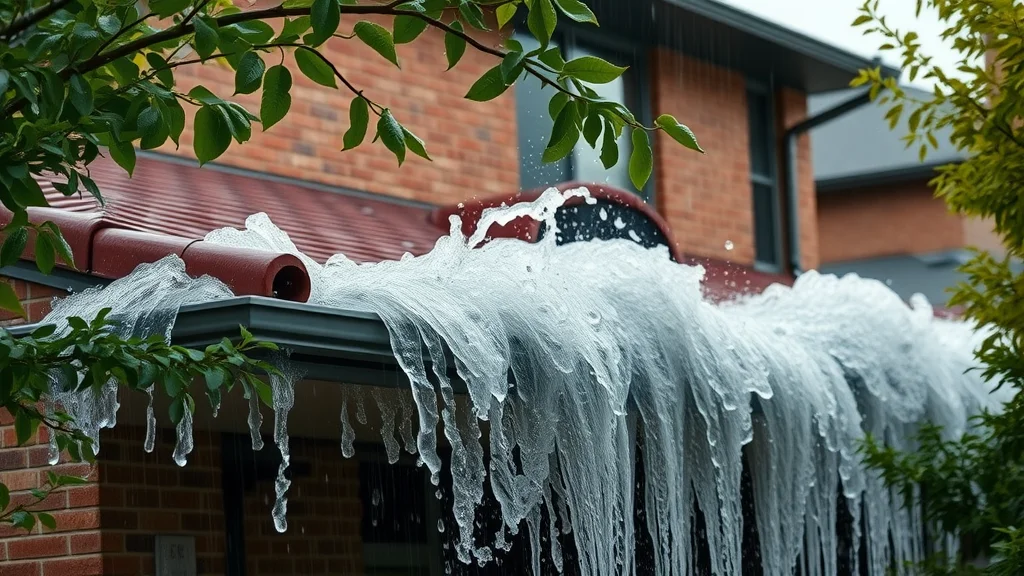
Imagine a heavy summer thunderstorm rolling in: your gutters overflow, water pools near your basement window, and the side yard turns to mud. These are all classic Denver drainage warning signs that signal a need for fast action. In this scenario—common from Denver South to Congress Park—the clay soil can’t absorb sudden runoff, and patio drains get overwhelmed. You may notice a musty smell in the basement or find cracks forming in drywall after repeated storms. These aren’t just seasonal annoyances; each episode raises your flood risk and can chip away at your home’s foundation integrity, landscaping, and even indoor air quality. If you spot these issues, a professional drainage audit is more than reassurance—it’s your best move to avoid costly repairs down the road.
How Healthy Denver Drainage Should Work—And Where Things Go Wrong
Denver Drainage: Ideal System vs. Common Problems |
||
Step |
Ideal Flow |
Common Blockage |
|---|---|---|
Roof |
Water collects on roof |
Clogged by leaves |
Gutters |
Move water fast |
Overflow or leaks |
Downspouts |
Release water away |
Backups, ice dams |
Yard Grading |
Slopes away from house |
Flat/low spots collect water |
Drainage System |
Carries water safely out |
Roots, soil blocks |
A healthy Denver drainage system should direct water from your roof, through clear gutters and sturdy downspouts, then safely out toward the street or a proper landscape feature. This is only possible with proper yard grading. Problems begin when any step blocks water: clogged gutters from spring debris, downspouts that dump water right next to your foundation, or flat yard spots that leave puddles after every storm. Over time, these issues escalate from minor annoyances to major risks like sidewalks cracks, sinking patios, and permanent foundation damage—especially with Denver’s unpredictable weather and expanding clay soil, which amplifies drainage challenges for every homeowner.
Why Denver’s Unique Soils and Storms Elevate Drainage Needs
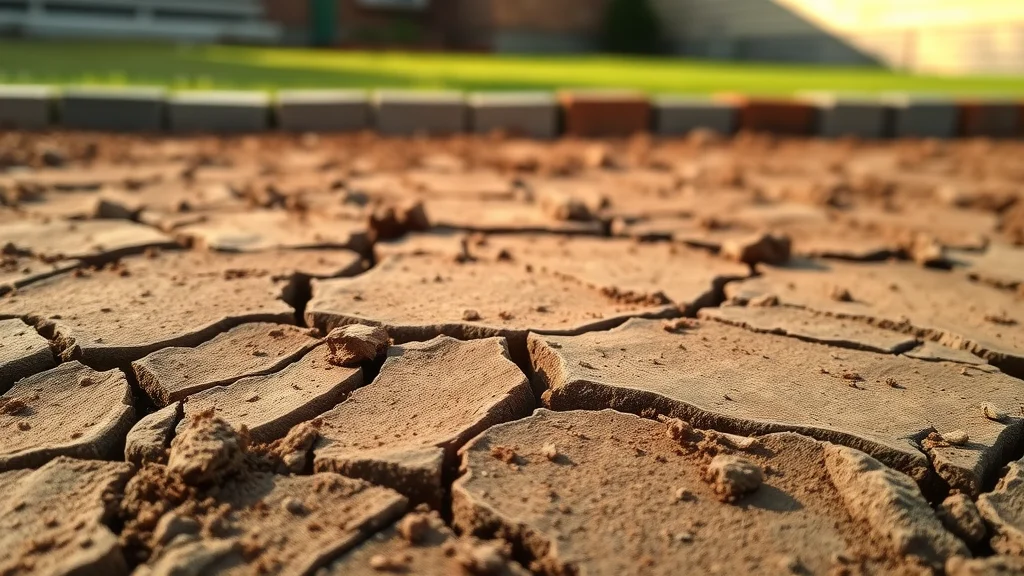
Denver’s expanding clay soils and freeze–thaw cycles can shift foundations and create new drainage issues each year—making regular checks and pro solutions critical. Spring and early summer bring quick thaws and downpours, which your lawn and patio drainage must manage—not to mention the ice dams and runoff that can strike in the winter months. Even homeowners who take care of their property can suddenly face erosion, standing water, or basement leaks just from one bad storm.
What’s Included in a Professional Denver Drainage Assessment
Key Steps in a Denver Drainage Audit
On-site walk-through with a local expert
Grading and drainage pattern checks
Gutter/roof review
Yard and foundation inspection
Customized solutions and cost estimate
A professional drain assessment starts with a friendly, no-obligation walk-through of your property. An experienced local pro inspects gutters, downspouts, grading, yard slopes, and your home’s foundation. They use their expert eye to identify not just visible problems like soggy lawns or pooling water, but also subtle signs of deeper issues—such as shifts in clay soil, minor cracks, or improper slope. After this walk-through, you’ll receive a custom drainage master plan with solution options that match your property’s unique needs and budget, along with a clear cost estimate—no pressure, no strings attached.
Denver Drainage Solutions: What Homeowners Can Expect
Comprehensive Denver Drainage Solutions We Offer
Regular gutter cleaning, repairs, and gutter guard installation
Grading and drainage adjustments to slope yards properly
Installation of French drains, swales, dry wells, and catch basins
Routing downspouts underground away from the foundation
Concrete/hardscape drainage for patios, walkways, and driveways
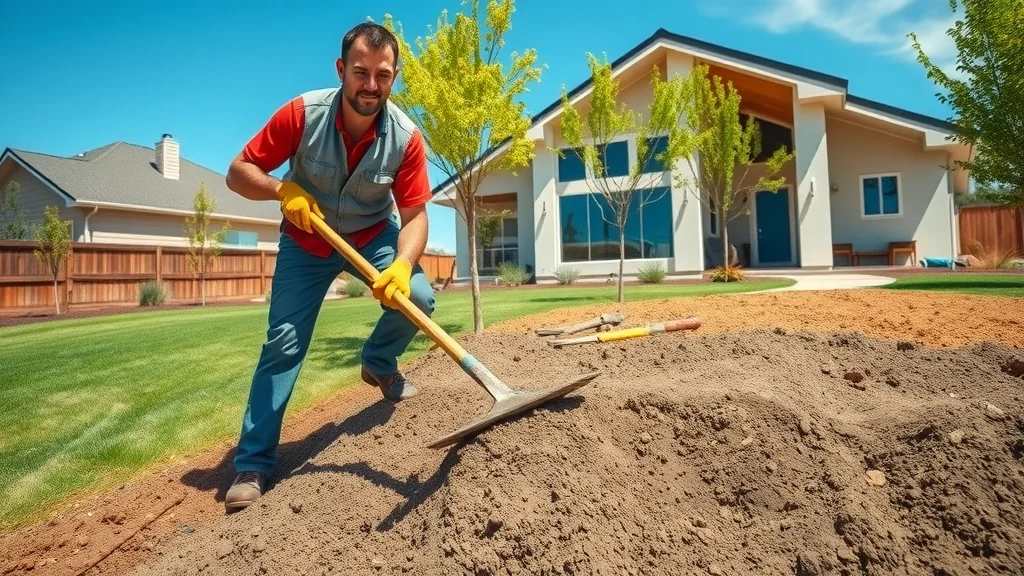
When you choose full-service Denver drainage solutions, you get more than a patch fix—you get a plan that tackles the causes, not just the symptoms. That includes gutter and roof repairs to keep runoff moving, installing gutter guards to stop clogs, and professionally regrading your lawn so every inch slopes away from your foundation (a vital defense in clay-heavy Denver soil). For bigger challenges, we install systems like French drains, swales, dry wells, and catch basins, all tailored for the unique needs of Denver homes—from Park Hill to Denver South. Our team can also update hardscapes with sloped walkways and patio drainage, ensuring water flows away instead of pooling right where you want to relax.
We’re not just about digging trenches. Our drainage master plan process covers your entire water management picture—from the longest downspout to the last patch of sod—so you enjoy real, lasting peace of mind. That’s why Denver homeowners trust us for drain and sewer expertise and practical, easy-to-understand service.
How Professional Drainage Solutions Protect Your Denver Home
Expert, full-scale Denver drainage services reduce flood risk, prevent foundation damage, stop basement leaks, and keep your yard usable all year. When runoff is channeled away efficiently, your home avoids everything from soil erosion to water damage under walkways and patios. You protect your investment, keep landscaping healthy, and say goodbye to soggy lawns or icy sidewalks for good. With the right grading and a robust drainage system, you ensure water never has a chance to undercut your foundation or seep into your basement—no matter how wild Denver’s weather gets this season.

Frequently Asked Questions about Denver Drainage
Where does Denver's sewage go?
Denver's sewage is collected via the city's sewer system and processed at the Metro Water Recovery facility, which treats wastewater before safely releasing it into the South Platte River. Proper storm drainage and regular sewer repair help keep this whole system running smoothly and your property protected.
What is the stormiest month in Denver?
Denver typically sees the most storm activity in May and June, with frequent afternoon thunderstorms that can quickly overwhelm drainage systems. Planning your drainage upgrades before these months ensures your property is ready for the worst—and can help you avoid those last-minute calls for expensive sewer repair.
Does Denver have a water problem?
While Denver has historically managed its water supply well, recent droughts and rapid population growth have put additional stress on local resources, making efficient storm drainage even more critical. If you spot standing water, musty basements, or gutter overflow, it’s time to protect your investment—before bigger water issues appear.
Key Takeaways on Solving Denver Drainage Issues
Quick Recap: Denver Drainage Fixes That Work
Don't let Denver weather and soils ruin your yard or foundation.
Spot early warning signs like swampy patches and musty basements.
Act early with professional drainage audits and full-service solutions.
Protect your home, foundation, and landscaping all year.

Ready to Fix Your Denver Drainage Fast? Contact Us Today
Want peace of mind before the next storm? Email us with your drainage questions at: info@gradeaexandland.com
If you’re eager to take your property’s protection to the next level, don’t stop with drainage alone. Explore our comprehensive home exterior services to discover how integrated solutions can enhance your home’s value, safety, and curb appeal. Whether you’re planning proactive upgrades or need expert advice on long-term maintenance, our team is ready to help you create a resilient, beautiful outdoor space that stands up to Denver’s toughest weather. Take the next step toward a worry-free home and see what’s possible with a holistic approach to exterior care.


Write A Comment